Current Editions
Browse the latest and currently available magazine editions.

The Industrial Workforce Is Changing: Skills for the Next Generation of Manufacturing
Manufacturing work is changing as automation, digital systems and increasingly sophisticated equipment become part of everyday industrial operations. Traditional technical knowledge remains essential, but it is being complemented by new requirements in data, software, diagnostics and integrated production systems. This edition examines the changing industrial workforce, the skills manufacturers increasingly require and the importance of training, reskilling and knowledge transfer as factories combine experienced people with new technologies and evolving methods of production.

Made in India at Scale: Building the Manufacturing Capacity for Global Markets
Building manufacturing capacity for global markets requires more than expanding production volumes. Manufacturers must combine scale with consistent quality, competitive costs, dependable supply chains, skilled people and the ability to meet diverse customer requirements. This edition examines the foundations required for Indian manufacturing to serve larger domestic and international markets. It explores capacity, technology, logistics, standards and supplier ecosystems as interconnected elements of a manufacturing base capable of competing sustainably at scale.

The Connected Factory: Turning Industrial Data Into Better Decisions
Modern factories generate increasing volumes of information through machines, sensors, control systems and production software. The challenge is turning that information into decisions that improve operations. This edition examines the connected factory and the role of industrial IoT, machine data, dashboards and analytics in creating greater production visibility. It explores practical applications across maintenance, quality, energy and planning while considering connectivity, interoperability and the operational context needed to make industrial data genuinely useful.

The Energy Equation: Powering Industry Through Efficiency and Transition
Energy is both an essential production input and a significant operating consideration for industry. As manufacturers pursue efficiency, reliability and lower environmental impact, the way factories generate, purchase and consume energy is changing. This edition examines industrial energy management, electrification, renewable integration, process efficiency and monitoring technologies. It explores how manufacturers can approach the energy transition pragmatically while balancing production requirements, investment economics, operational resilience and long-term sustainability objectives.

The Industrial Supply Chain Reset: Building Resilience Beyond Cost and Efficiency
Industrial supply chains are being reconsidered as manufacturers balance cost efficiency with reliability, visibility and the ability to respond to disruption. This edition examines how sourcing strategies, supplier relationships, inventory policies, logistics and digital tools contribute to a more resilient manufacturing network. It explores why supply-chain decisions increasingly require a broader view of operational risk and how better information, diversification and coordination can help manufacturers maintain continuity without abandoning the discipline of cost and efficiency.

Engineering the Future: How Advanced Manufacturing Is Changing Production
Manufacturing capability is increasingly defined by the precision, flexibility and sophistication with which products can be designed and produced. This edition explores advanced manufacturing technologies and the engineering practices supporting their adoption, from modern machining and digital design to new materials and production methods. It examines how these capabilities can improve quality, reduce development cycles and enable increasingly complex products while highlighting the importance of skills, process knowledge and reliable industrial infrastructure.

The Automation Imperative: Building Faster, Smarter and More Productive Factories
Automation has become an important part of the manufacturing productivity equation as businesses seek greater consistency, throughput, safety and process control. This edition examines how robotics, automated machinery, control systems and software are changing production environments across industries. It explores where automation can deliver practical improvements, how manufacturers can evaluate investments and why successful implementation requires thoughtful integration with existing equipment, processes and the people responsible for operating them.

The Factory Goes Digital: How Technology Is Rebuilding Modern Manufacturing
Digital technology is moving deeper into manufacturing as factories connect machines, production systems, people and information in ways that were previously difficult to achieve. This edition examines how industrial software, sensors, connected equipment, automation and real-time data are changing factory operations. It explores the practical value of digital manufacturing across production visibility, quality, maintenance and planning while considering the integration, skills and operational discipline required to turn technology investments into measurable improvements.

The New Industrial India: Manufacturing at the Centre of Economic Transformation
Manufacturing is taking on a larger role in India's economic transformation as investment, infrastructure development, domestic demand and global supply-chain changes create new opportunities for industry. This edition examines the forces shaping the country's industrial expansion, from production capacity and logistics to technology, skills and supporting ecosystems. It explores how a stronger manufacturing base can influence competitiveness, employment, supply networks and India's position in an increasingly interconnected global economy.

Year of Transformation: How Industry Redefined Itself
The past year has tested industries with uncertainty, disruption, and rapid change. Yet, it has also revealed resilience, innovation, and adaptability. This special year-end cover story reviews the key shifts that shaped Indian industry—technology adoption, policy impact, workforce evolution, and strategic realignments—setting the stage for what lies ahead.

Powering Progress: Energy, Efficiency, and the Industrial Shift
Energy is no longer just a cost—it is a strategic lever. With rising energy prices, sustainability mandates, and the push toward renewable integration, industries are rethinking how they consume and manage power. This cover story examines how Indian industries are balancing growth with efficiency while transitioning toward cleaner, smarter energy models.

Smart Machines, Smarter Decisions: The Rise of Industrial Intelligence
Machines today do more than operate—they think, predict, and optimize. With AI, analytics, and connected systems becoming integral to industrial operations, decision-making is shifting from instinct to insight. This edition delves into how industrial intelligence is reshaping productivity, maintenance, quality control, and profitability across Indian factories.

Silicon Revolution: The Next Era of Electronics & Semiconductors
At the core of every technological breakthrough lies the semiconductor—the unsung hero powering everything from smartphones to space exploration. As we edge closer to the limits of Moore's Law, the race for smaller, faster, and more energy-efficient chips intensifies. This issue explores the cutting-edge innovations in electronics and semiconductors, including breakthroughs in materials, design, and manufacturing. The semiconductor industry is experiencing a renaissance, with new players, technologies, and trends reshaping the way we connect, compute, and create.
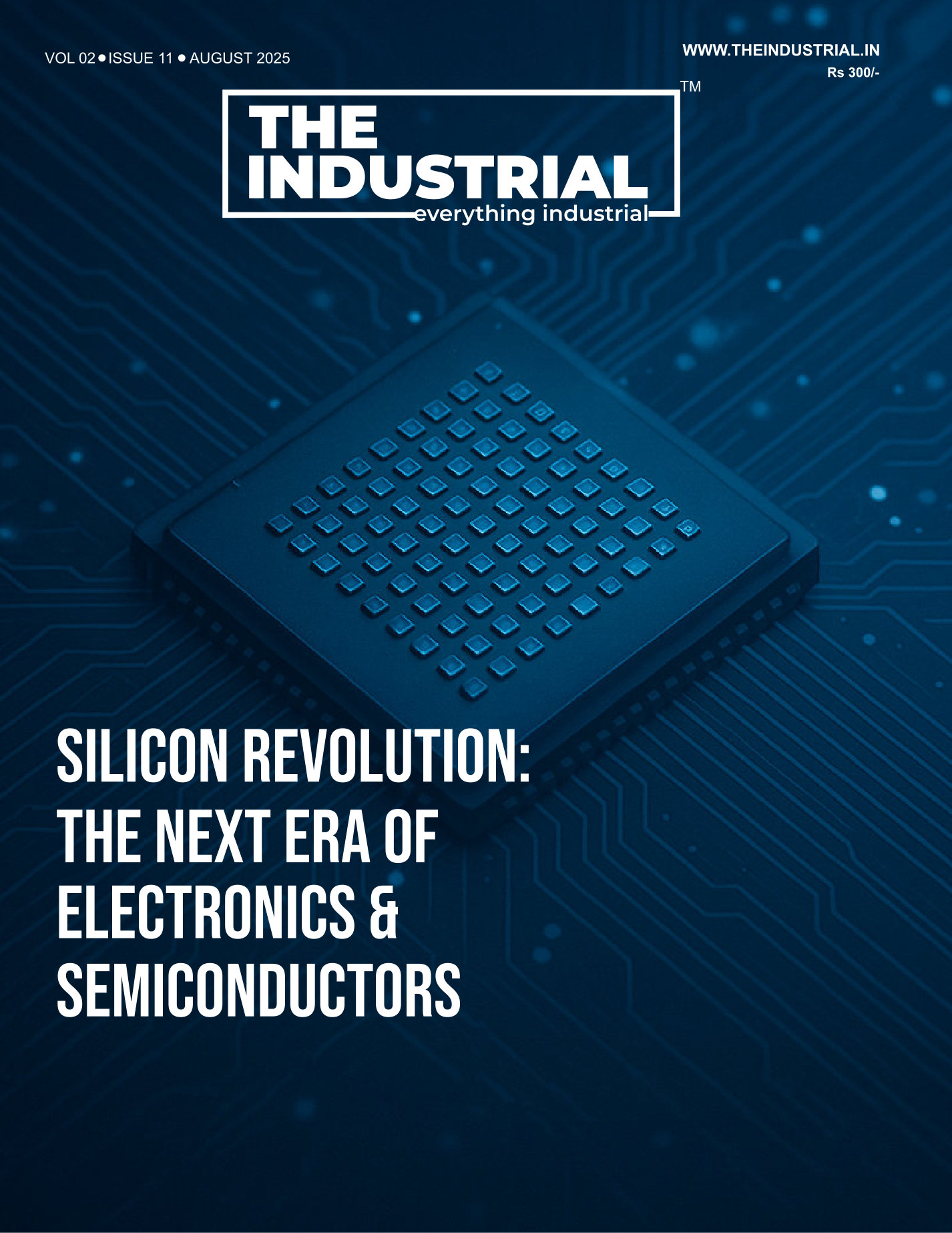
Silicon Revolution: The Next Era of Electronics & Semiconductors
At the core of every technological breakthrough lies the semiconductor—the unsung hero powering everything from smartphones to space exploration. As we edge closer to the limits of Moore's Law, the race for smaller, faster, and more energy-efficient chips intensifies. This issue explores the cutting-edge innovations in electronics and semiconductors, including breakthroughs in materials, design, and manufacturing. The semiconductor industry is experiencing a renaissance, with new players, technologies, and trends reshaping the way we connect, compute, and create.
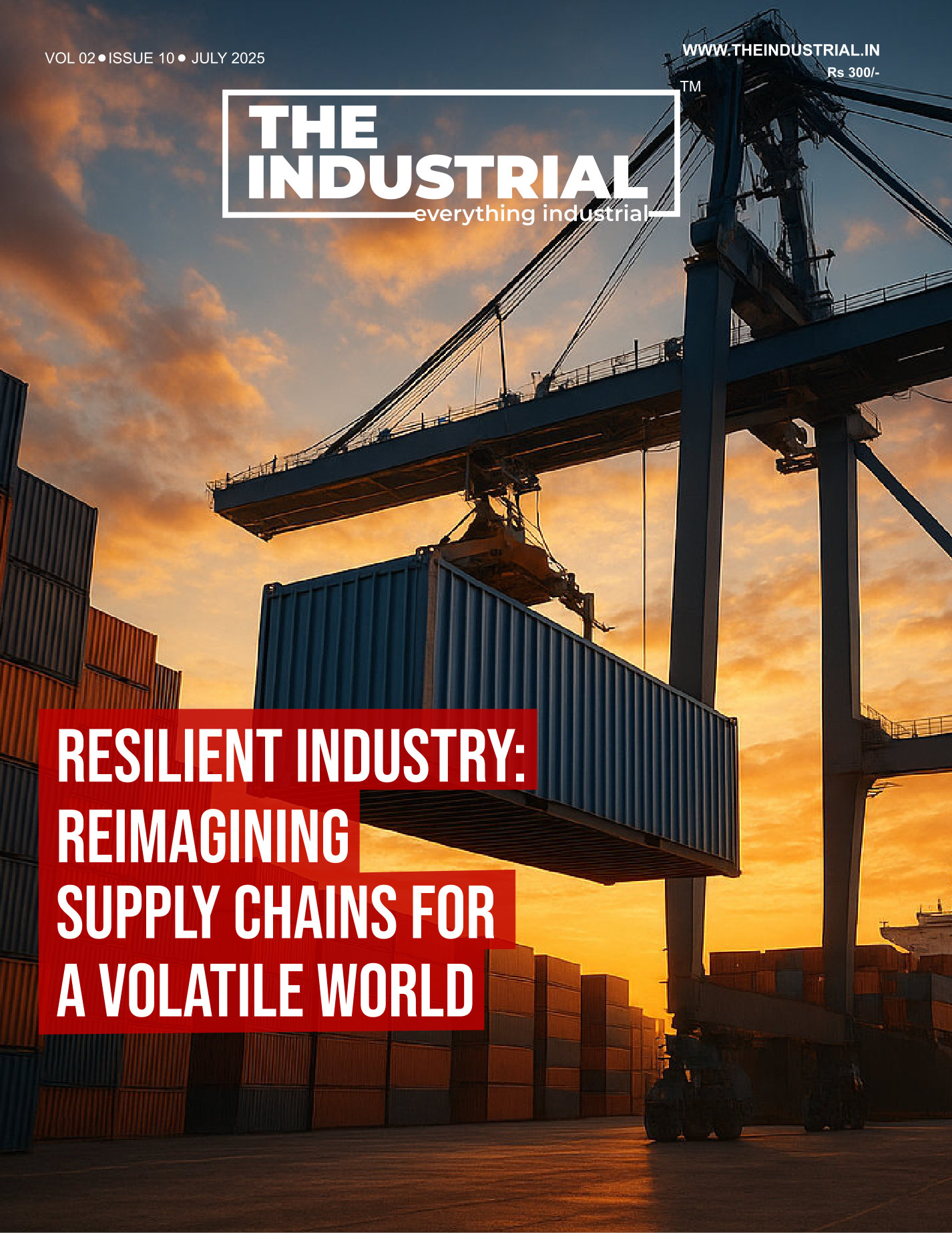
Resilient Industry: Reimagining Supply Chains for a Volatile World
Global supply chains are being tested like never before. From geopolitical tensions and raw material shortages to climate risks and shifting consumer demands, volatility has become the new constant. Manufacturers and industrial leaders are responding with smarter logistics, digital twins, nearshoring strategies, and AI-powered demand forecasting. This story explores how resilient supply chains are being built—not just to survive uncertainty, but to thrive in it.
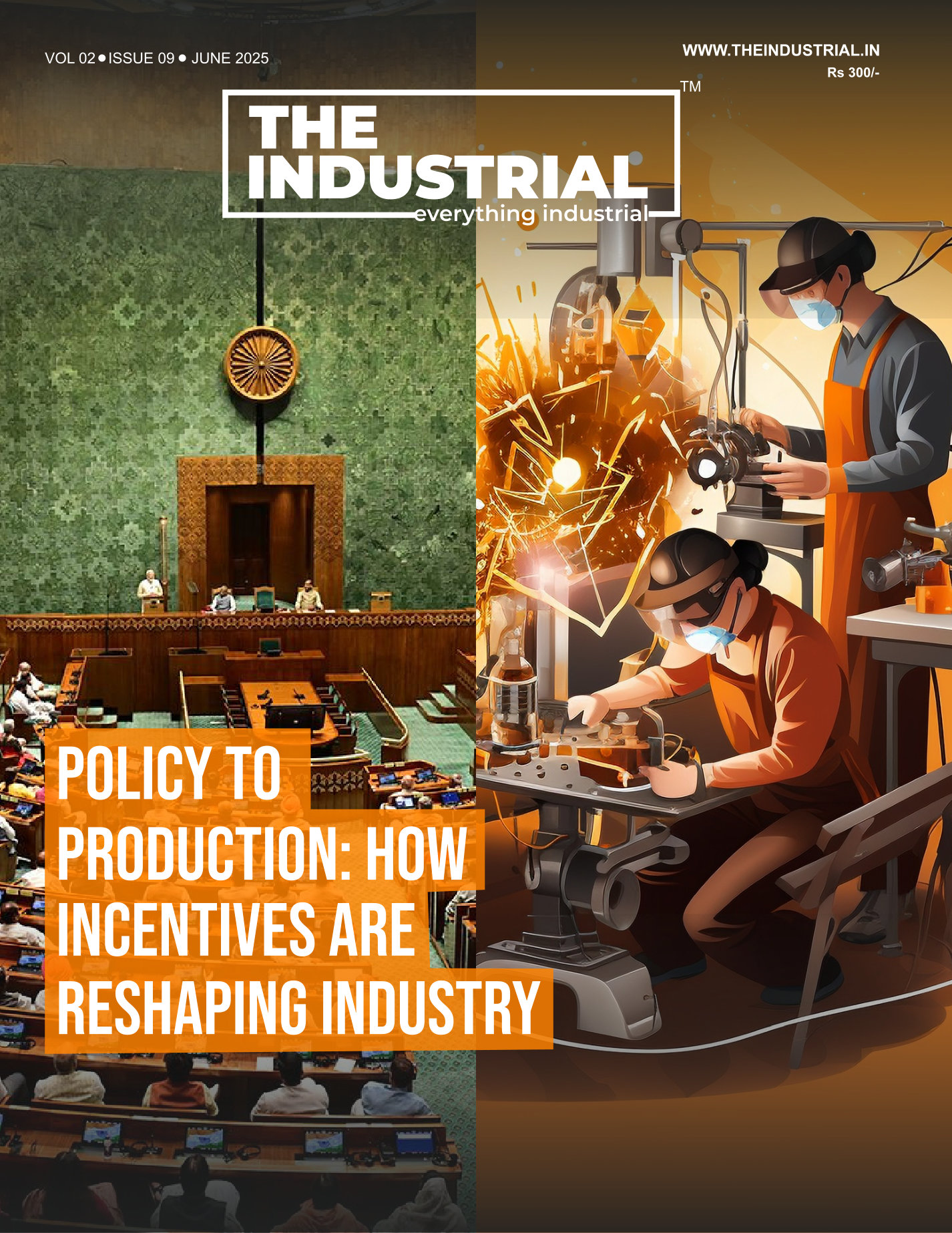
Policy to Production: How Incentives Are Reshaping Industry
India’s industrial policy is no longer confined to whitepapers and press notes — it’s actively shaping investment flows, plant expansions, and global supply chain strategies. Over the last few years, the Production-Linked Incentive (PLI) schemes, targeted subsidies, import restrictions, and state-level incentives have transformed the industrial map of India. This month’s cover story dives deep into how policy frameworks are now acting as strategic levers — not just enabling, but engineering outcomes. From a new electronics cluster in Tamil Nadu to green hydrogen initiatives in Gujarat, we examine how capital allocation decisions are being increasingly driven by government playbooks.
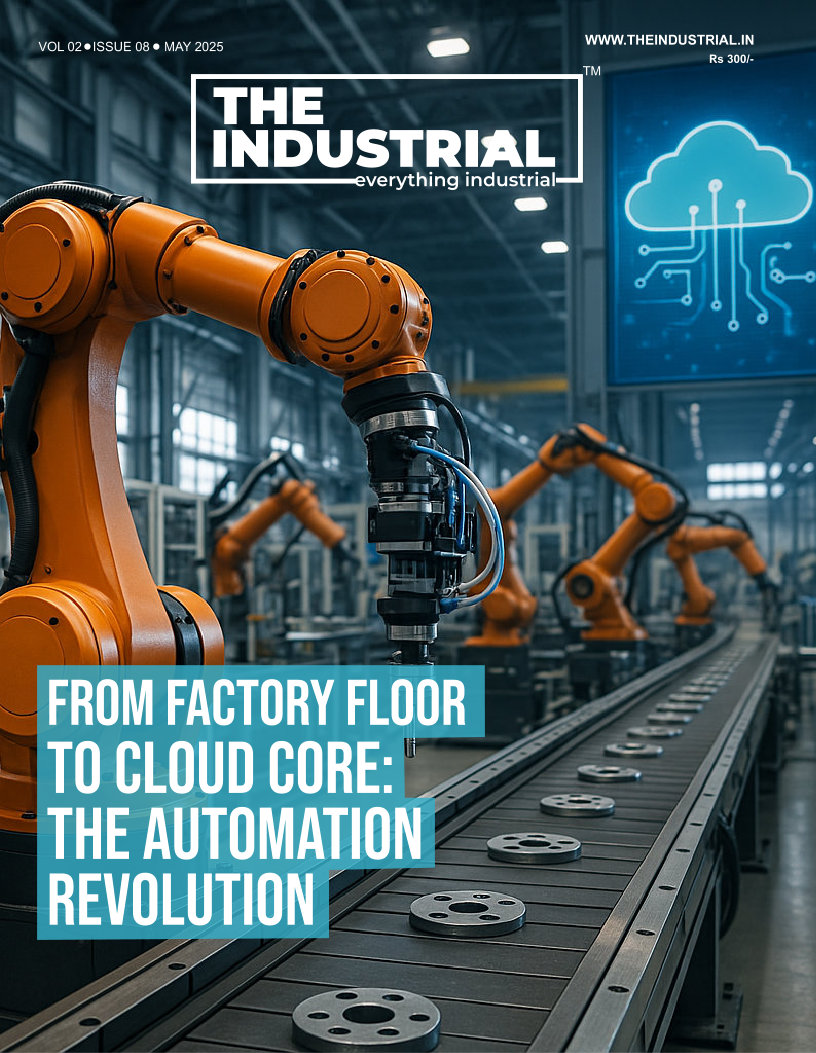
Factory Floor to Cloud Core: The Automation Revolution
India’s industrial core is undergoing a profound metamorphosis. Gone are the days when automation meant a conveyor belt or a robotic arm. Today, automation spans far beyond machinery — it reaches deep into data, decisions, and design. From programmable controls to cloud-integrated systems and AI-powered predictive maintenance, the modern factory is becoming a smart, connected organism. In this cover story, we trace the journey from legacy operations to intelligent, sensor-driven environments — where data flows seamlessly from factory floor to cloud core, enabling real-time insights, remote management, and scalable production strategies. Whether it’s MSMEs embracing affordable automation or large manufacturers integrating IoT and robotics at scale, the shift is undeniable.
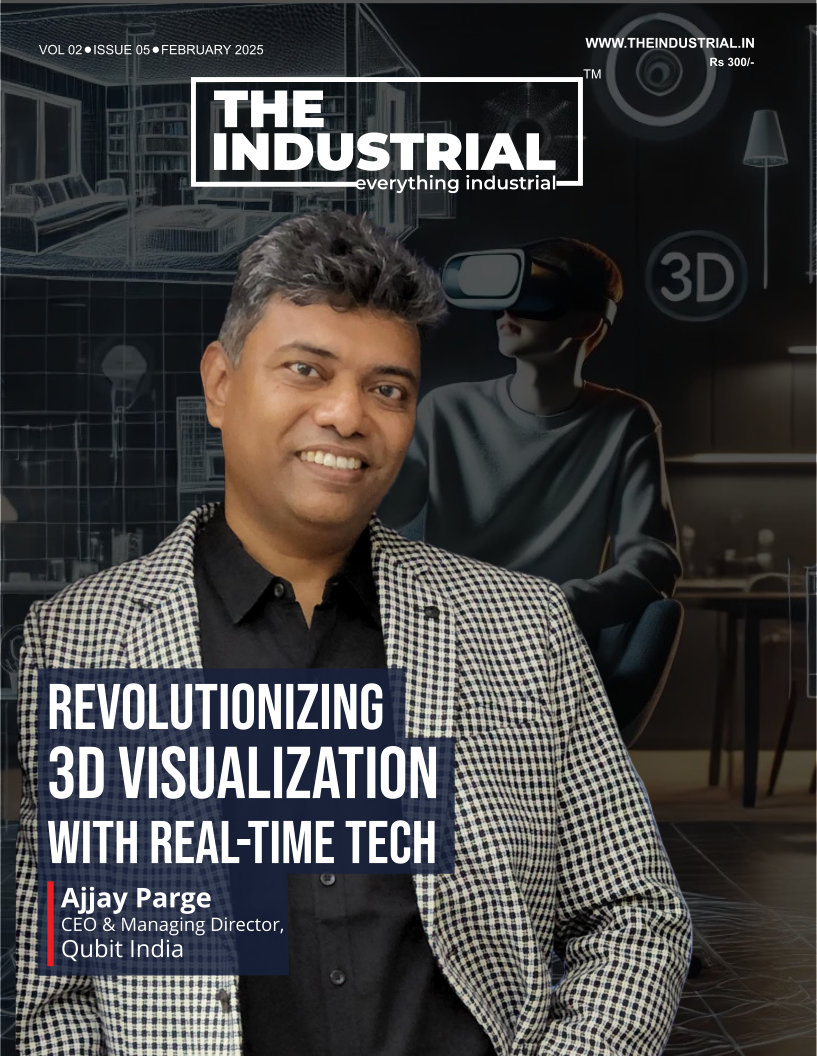
Inside Qubit: Revolutionizing 3D Visualization with Real-Time Tech
In an age where decisions are increasingly digital, Qubit India is redefining how we see, experience, and purchase the spaces we live in. Founded by 3D visualization veteran Ajjay Parge, Qubit blends cinematic-quality rendering with cloud scalability to empower industries like real estate and automotive with immersive, real-time platforms. From reducing buyer uncertainty with Navigo’s hyper-realistic walkthroughs to producing digital films for KIA using virtual production pipelines, Qubit is not just keeping pace—it’s setting the pace. In this exclusive interview, Parge talks about bridging the trust gap in under-construction sales, bringing gaming tech into architecture, and shaping India’s AVGC XR roadmap, all while scaling across borders and sectors with precision and purpose.
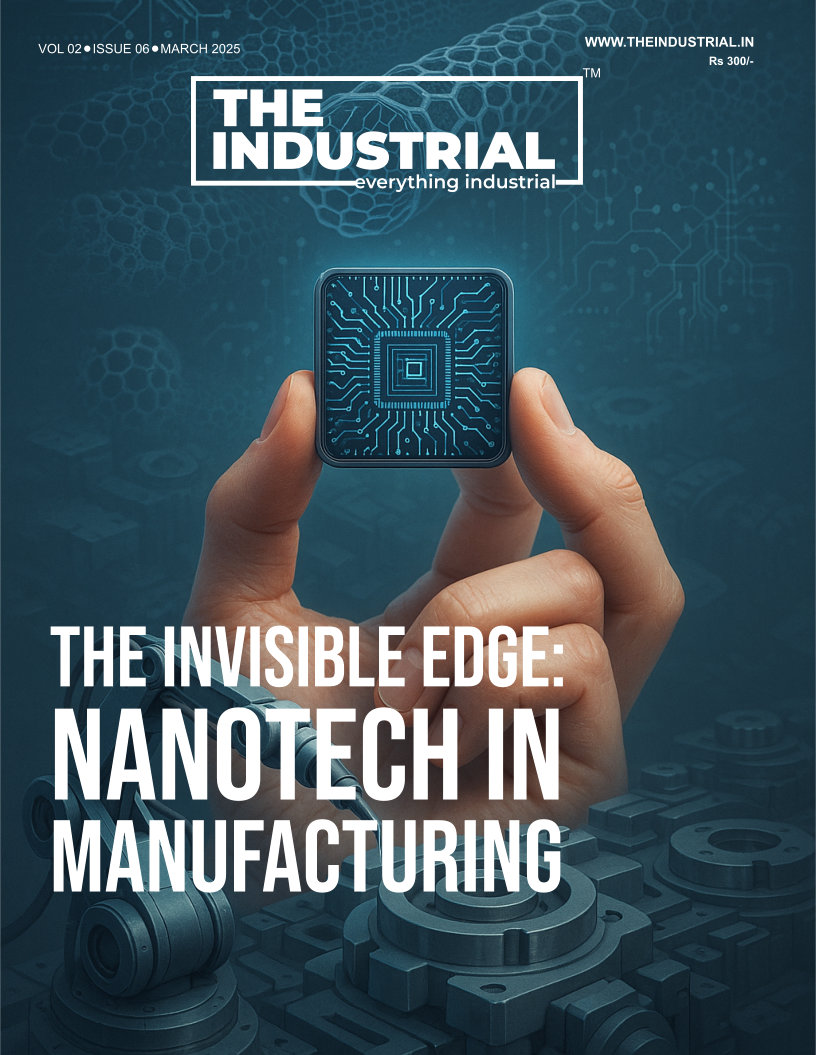
The Invisible Edge: Nanotech in Manufacturing
As industries continue to evolve, one technology is quietly reshaping the way we approach manufacturing: nanotechnology. With the power to manipulate matter at an atomic scale, nanotech is unlocking new possibilities in materials, precision engineering, and process efficiency. In this issue, we delve into how nanotechnology is making a visible impact in the manufacturing sector, from enhancing product durability to enabling smarter production methods. Join us as we explore the invisible edge that gives modern manufacturing its competitive advantage.
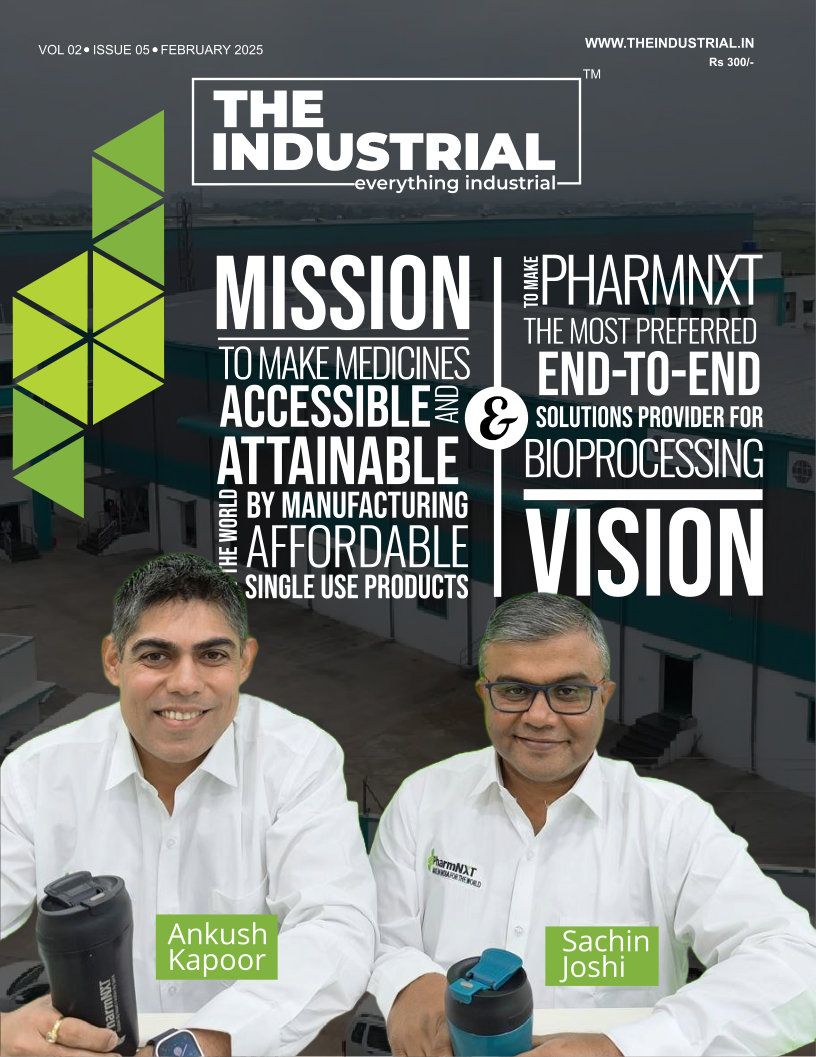
Driving Innovation and Localized Manufacturing: A Vision for the Future of Biopharma with PharmNXT Biotech
In an exclusive interview with Mr. Ankush Kapoor, Founder and CEO, and Mr. Sachin Joshi, Managing Director & Founder of PharmNXT Biotech, we explore the company's remarkable journey in revolutionizing biopharma. PharmNXT is making significant strides in both bioprocessing technologies and localized manufacturing, creating cutting-edge solutions for the growing demand for advanced therapies such as mRNA vaccines, cell and gene therapies, and antibody-drug conjugates. As the biopharma industry faces increasing challenges in cost, quality, and regulatory compliance, PharmNXT remains committed to ensuring affordable, high-quality solutions. In this conversation, the leaders share their vision for the future of biopharma, their approach to tackling emerging industry needs, and how they plan to expand PharmNXT’s global reach while maintaining a strong local manufacturing base.
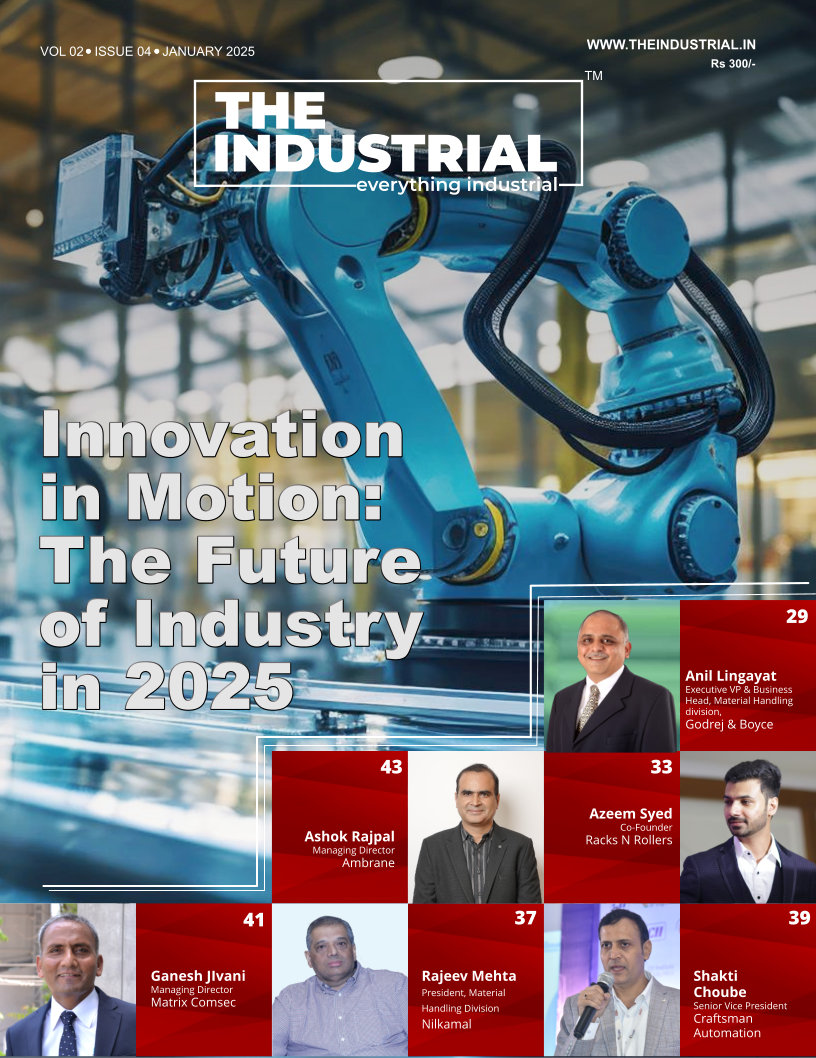
Innovation in Motion: The Future of Industry in 2025
As we step into 2025, industries across the globe are at the precipice of a new era of transformation. The convergence of emerging technologies—artificial intelligence, advanced robotics, IoT, blockchain, and sustainable energy solutions—are not just reshaping processes but redefining the very nature of industrial operations. This year marks a pivotal moment where digital transformation, environmental responsibility, and operational efficiency are no longer aspirations but imperatives. In this edition, we delve deep into how innovation is driving industries forward, unlocking new potential and opportunities for growth. From manufacturing to supply chains, from automation to sustainability, the trends that are shaping the future are not merely theoretical—they are actively changing the way we work, produce, and consume.
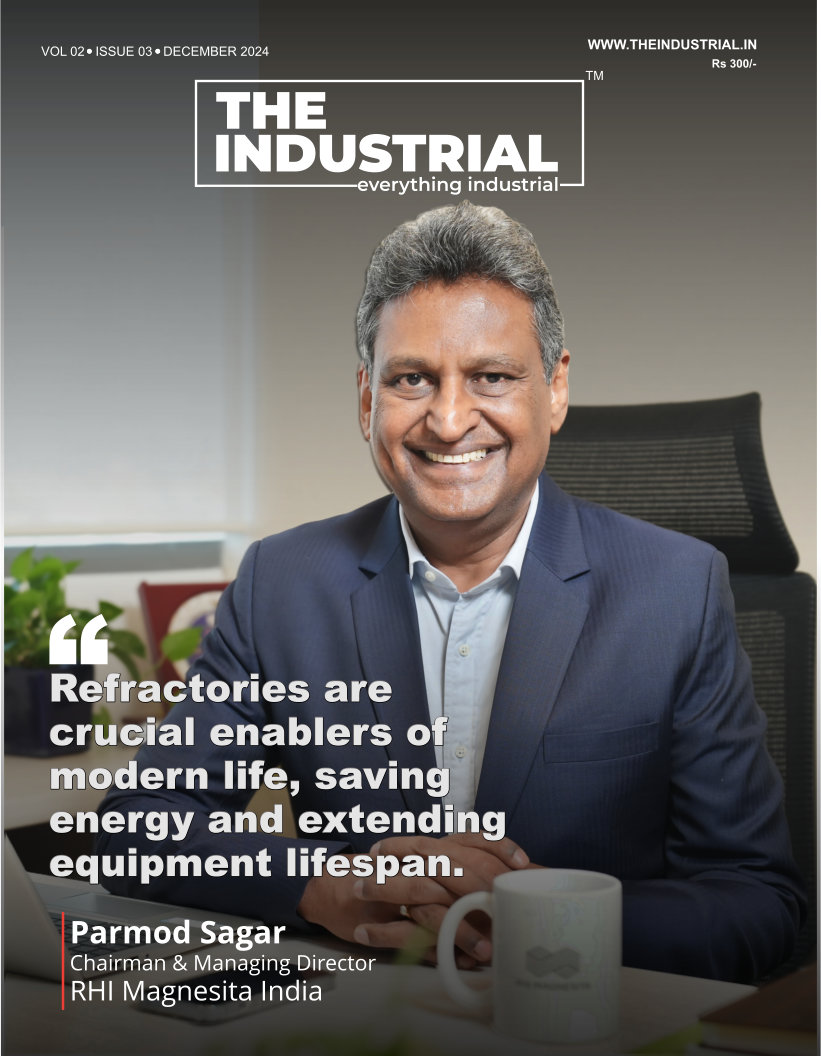
Shaping the Future of India's Refractory Industry
In this interview, Mr. Parmod Sagar, Chairman and Managing Director of RHI Magnesita India, offers a comprehensive perspective on the evolving refractory industry in India and globally. As the country witnesses rapid industrialization and infrastructure growth, the demand for high-performance refractories is increasing across key sectors like steel, cement, and energy. Mr. Sagar delves into the opportunities and challenges facing the industry, including rising raw material costs, supply chain uncertainties, and the growing emphasis on sustainability. He also highlights how RHI Magnesita is leveraging innovation, advanced technology, and sustainable practices to meet the future demands of the market. Through this conversation, Mr. Sagar sheds light on how the refractory industry is poised to play a pivotal role in India’s journey toward becoming a global manufacturing hub.
AI & AUTOMATION: Shaping the Future of Manufacturing
The manufacturing sector, once synonymous with manual labor and industrial machines, is undergoing a profound transformation. The driving forces behind this change are artificial intelligence (AI) and automation, two technologies that are reshaping how products are designed, produced, and distributed. What was once considered futuristic is now becoming the new standard for manufacturers across the globe. Together, AI and automation are revolutionizing production processes, improving efficiency, reducing costs, and creating smarter, more sustainable factories. This cover story explores how these technologies are shaping the future of manufacturing and the challenges and opportunities they bring.
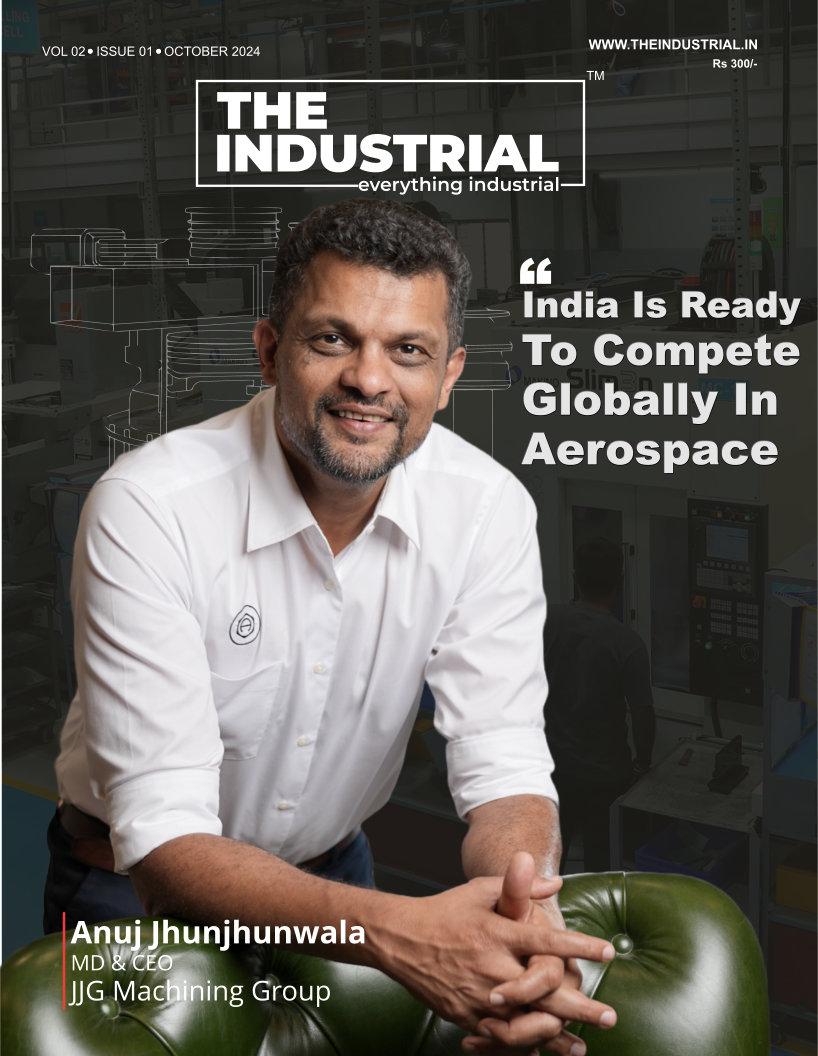
Transforming India’s Aerospace Industry for Global Competition
In this exclusive interview, Anuj Jhunjhunwala, Managing Director and CEO of JJG Machining Group, shares his insights on the rapidly evolving aerospace manufacturing landscape in India. With over 18 years of experience, Anuj discusses the challenges and opportunities ahead, the transformative impact of the "Make in India" initiative, and his vision for positioning Indian companies on the global stage. Under his leadership, JJG has become a key player in the aerospace sector, driving innovation and sustainability.
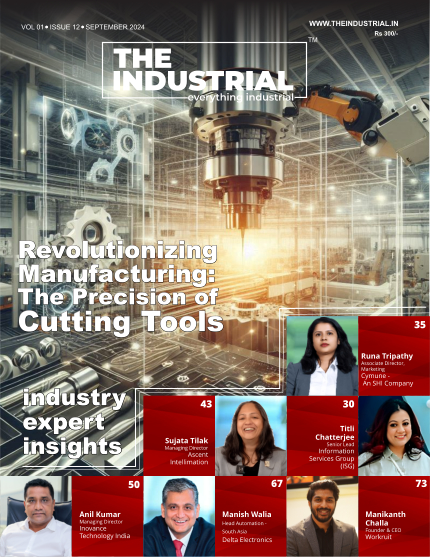
Precision Edge: Revolutionizing Industrial Manufacturing with Cutting Tools
The modern industrial landscape is being reshaped by cutting-edge technologies, yet few innovations have as profound an impact on the manufacturing process as precision cutting tools. These tools, often overshadowed by the machines they serve, are indispensable in transforming raw materials into the finely engineered components that power industries such as aerospace, automotive, medical devices, electronics, and more. The importance of cutting tools in revolutionizing manufacturing can be traced back to the shift toward high-precision engineering and advanced materials that are critical to high-performance applications. Cutting tools have come a long way from their traditional roles.
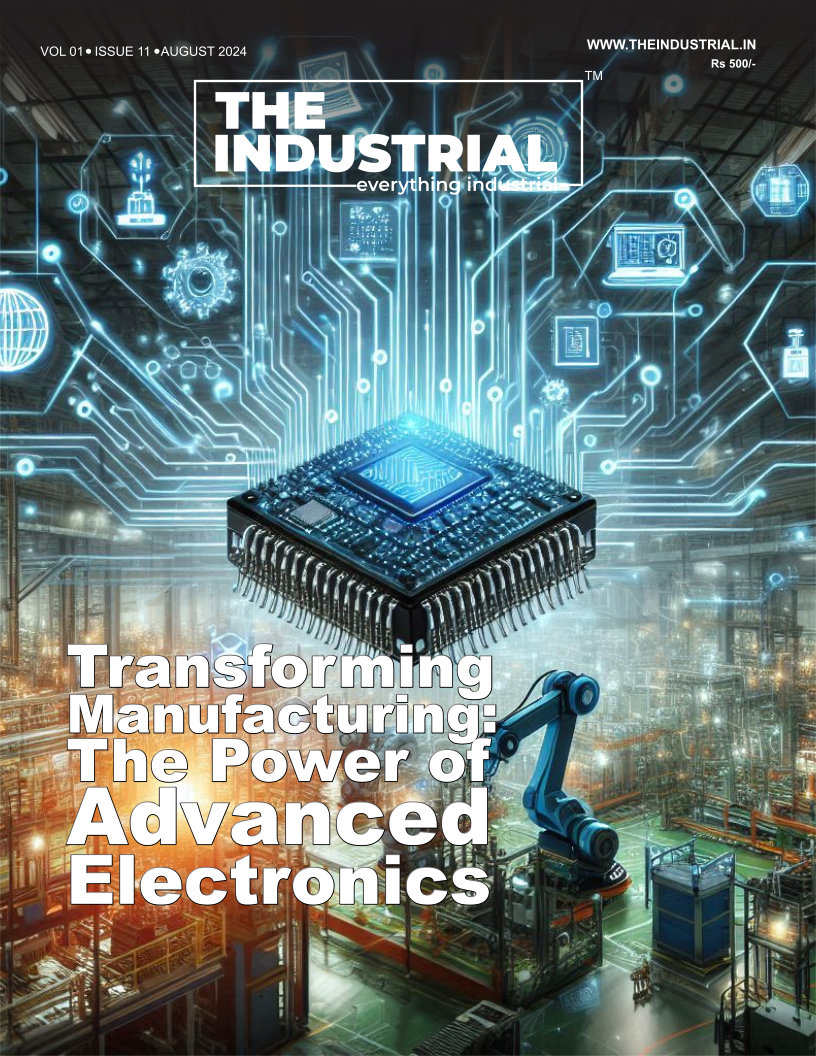
Electrifying Innovation: Transforming Industrial Manufacturing Through Advanced Electronics
In an era defined by rapid technological advancement, the intersection of electronics and industrial manufacturing is reshaping the landscape of production. From smart factories utilizing IoT devices to automation systems that enhance efficiency, the role of electronics has never been more pivotal. This cover story delves into the transformative impact of cutting-edge electronic solutions in manufacturing processes, exploring how they drive productivity, improve safety, and enable sustainable practices. Join us as we uncover the innovations that are revolutionizing the industry and setting the stage for the future of manufacturing.
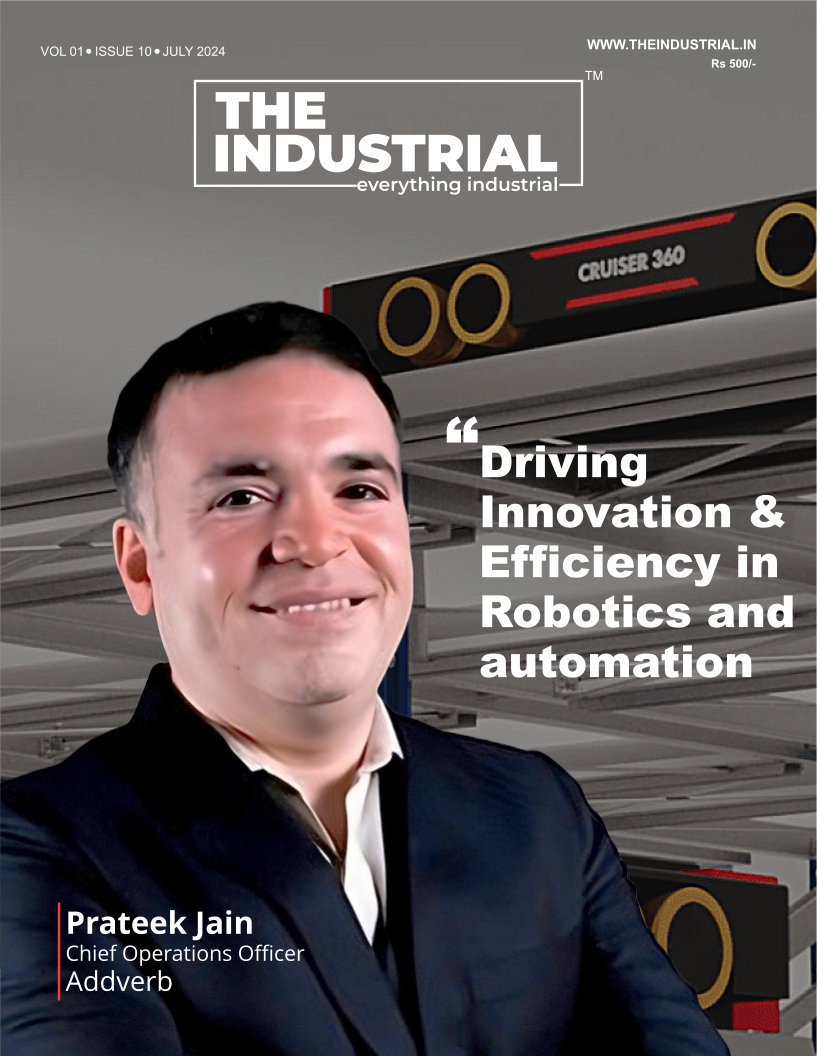
"Driving Innovation & Efficiency in Robotics and automation"
In this exclusive interview, we have the pleasure of speaking with Mr. Prateek Jain, Co-founder and COO of Addverb Technologies. With a career that began at Asian Paints and transitioned into leading innovation in robotics and automation, Prateek has played a key role in advancing Addverb’s cutting-edge solutions. We'll delve into how his background influenced his work, explore impactful projects like the 4-Way Pallet Shuttle, and discuss his vision for the future of automation. Let's dive into the conversation with one of the industry's trailblazers.
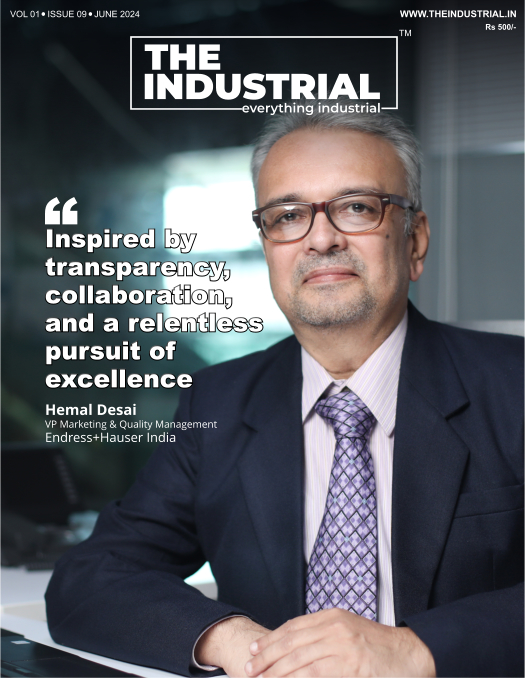
"Inspired by transparency, collaboration, and a relentless pursuit of excellence"
In this exclusive interview with Mr. Hemal Desai, Vice President of Marketing & Quality Management at Endress+Hauser India, we delve into the company's strategic initiatives in marketing, quality management, and innovation. Discover how Endress+Hauser maintains its leadership in process automation through customer-centricity, sustainability, and cutting-edge technologies.
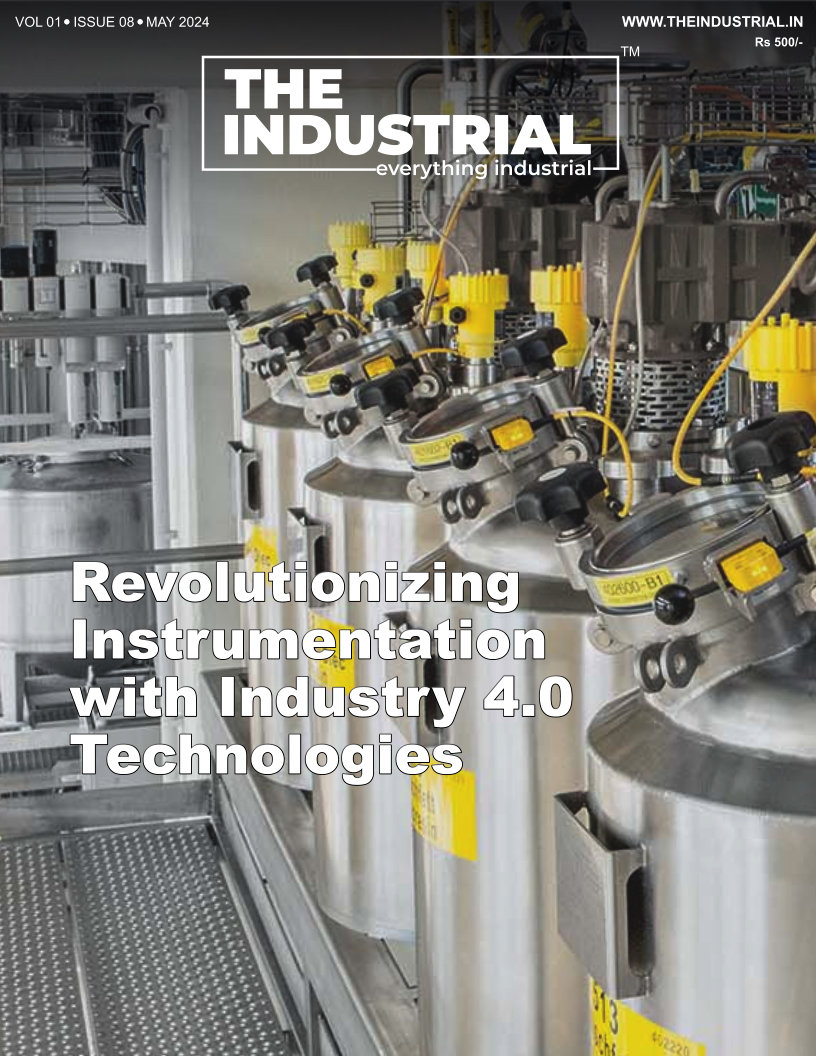
Revolutionizing Instrumentation with Industry 4.0 Technologies
In the ever-evolving landscape of industrial technology, we stand on the brink of a new era. The dawn of Industry 4.0 heralds a transformative wave that promises to revolutionize every facet of instrumentation. As the Editor-in-Chief of Industrial Innovators, I am thrilled to present our cover story on how these groundbreaking technologies are set to redefine the future of our industry.
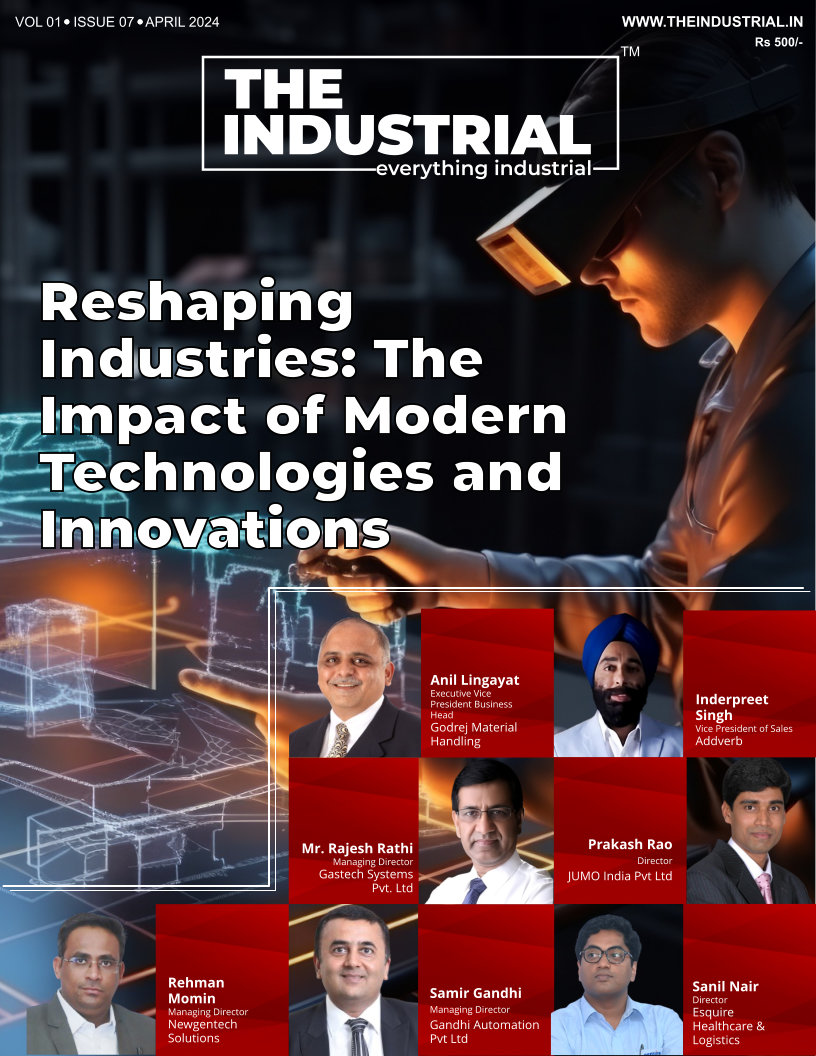
Reshaping Industries: The Impact of Modern Technologies and Innovations
In the ever-evolving landscape of industry, technological advancements have always played a pivotal role. However, in recent years, the pace of innovation has accelerated dramatically, giving rise to a new era where emerging technologies are reshaping traditional industries in profound ways. In this cover story, we explore the transformative impact of cutting-edge technologies across various sectors, from manufacturing to supply chain management, and examine how these innovations are revolutionizing the way we work, produce, and interact with the world around us.
Digital Evolution in Workplace Safety
In today's rapidly evolving industrial landscape, the pursuit of workplace safety stands as an uncompromising priority for organizations worldwide. The convergence of technology and industry has birthed a new era where digital transformation isn't just about improving efficiency; it's about saving lives. Our cover story delves into the forefront of this revolution, exploring how digital innovations are reshaping traditional approaches to safety and risk management, ushering in an era where accidents become anomalies and preventive measures are proactive rather than reactive.
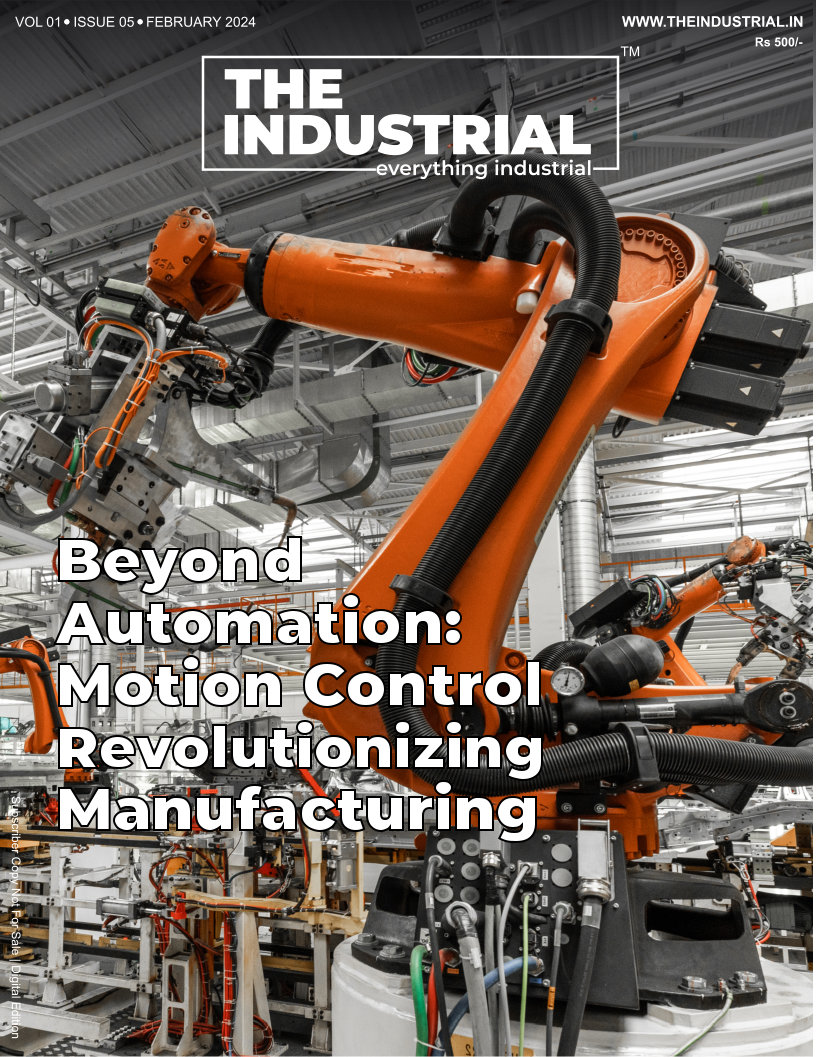
Beyond Automation: Motion Control Revolutionizing Manufacturing
In the heart of factories and production lines worldwide, a silent revolution is taking place. It's not about flashy gadgets or sci-fi robots; it's about something far more fundamental yet equally transformative: motion control technology. In simple terms, motion control is like the conductor of an orchestra, orchestrating the precise movements of machines and tools in manufacturing processes. But its impact goes beyond mere coordination; it's reshaping the entire landscape of modern manufacturing.
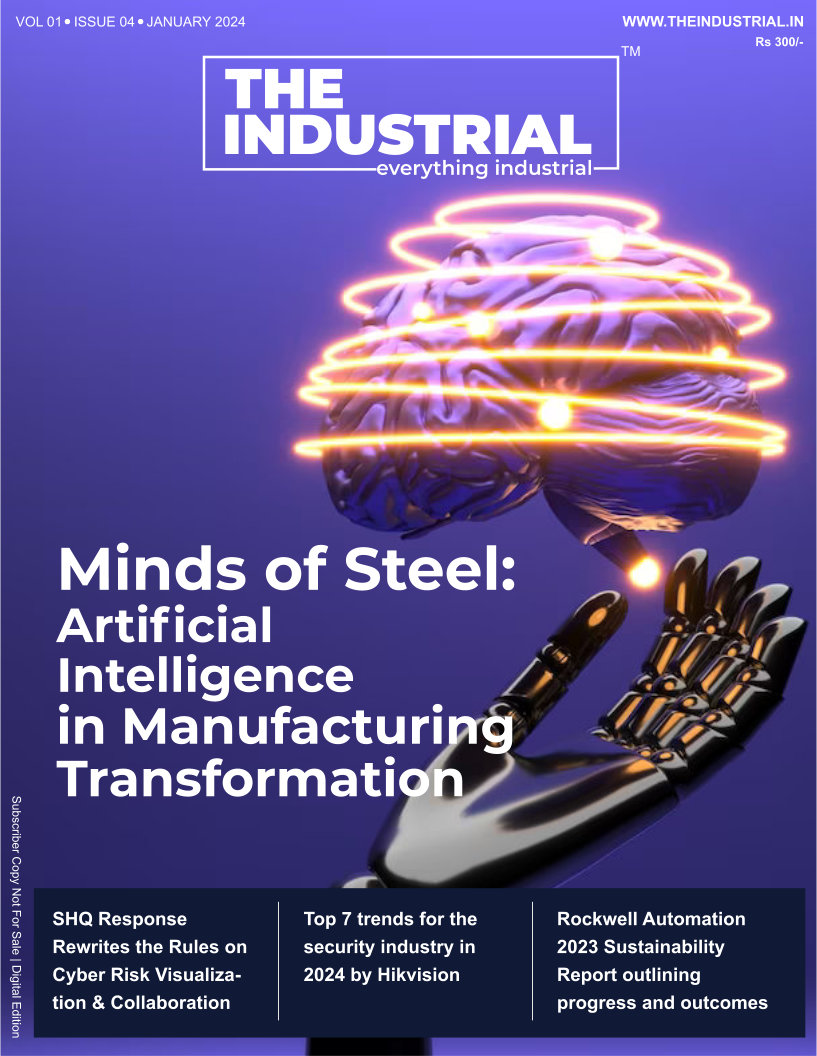
Minds of Steel: Artificial Intelligence in Manufacturing Transformation
In the ever-evolving landscape of manufacturing, a new game-changer is taking center stage. Artificial Intelligence (AI) is rapidly transforming the industry, replacing the traditional assembly lines with algorithm lines. This groundbreaking technology is revolutionizing the way manufacturers operate, offering endless possibilities for increased efficiency and productivity. From predictive maintenance to autonomous robots, AI is reshaping every aspect of production.
Unveiling INDIA's Quantum Leap into Manufacturing Excellence
In the dynamic landscape of global manufacturing, India has emerged as a formidable player, poised to take a quantum leap into manufacturing excellence. With a rich history rooted in traditional craftsmanship, the country is now leveraging cutting-edge technologies and innovative strategies to redefine its manufacturing sector. This article explores the key drivers propelling India's journey towards manufacturing excellence and the transformative impact it is poised to have on the nation's economy.
Sustainability The Green Thread Running Through Industry
In the ever-evolving landscape of industry, a powerful and transformative force is weaving its way through the fabric of manufacturing and production: sustainability. No longer a mere buzzword, sustainability has become a fundamental tenet of the Industrial Renaissance. Industries, once oblivious to their environmental impact, are now actively embracing and integrating sustainability into every facet of their operations.
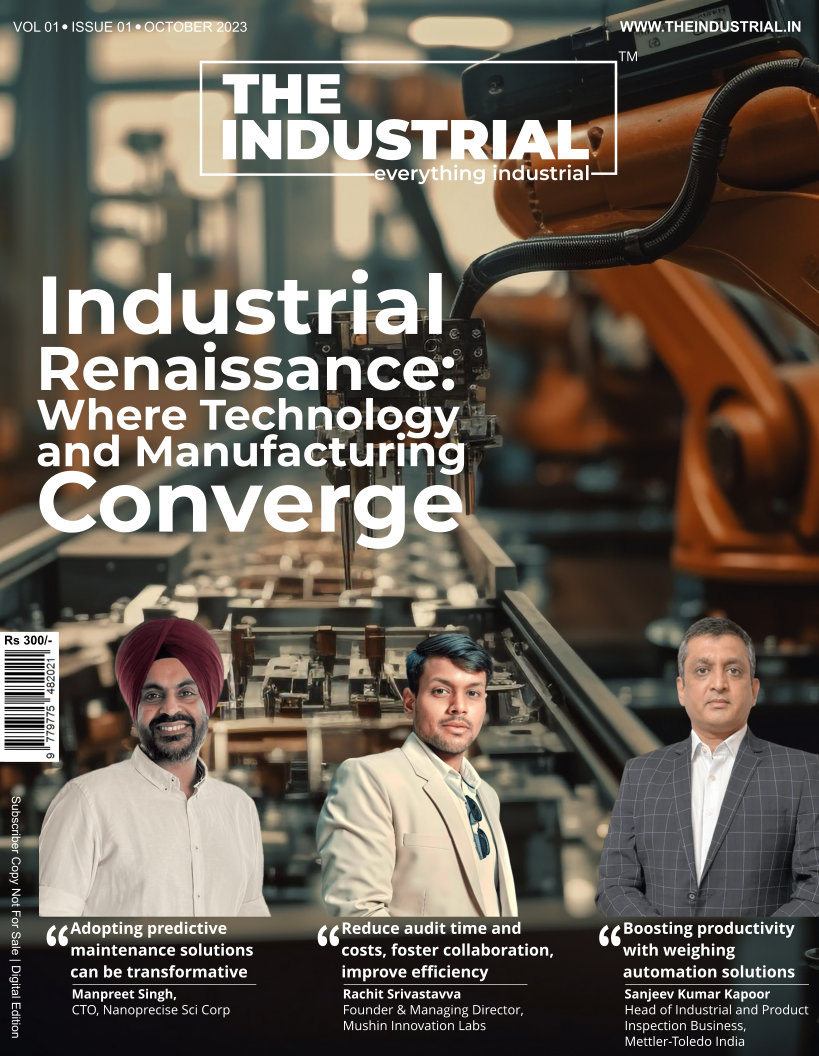
Industrial Renaissance: Where Technology and Manufacturing Converge
In a world increasingly driven by technology and automation, the industrial landscape is experiencing a renaissance like no other. The convergence of cutting-edge technologies with traditional manufacturing processes has birthed a new era of efficiency, productivity, and sustainability. This Industrial Renaissance is not merely a transformation; it's a revolution that promises to reshape the way we produce and consume goods. From predictive maintenance and machine vision to quality control automation, cyber security, digital twins, and sustainability initiatives, this cover story delves deep into the transformative forces reshaping our industrial future.